Qualify before you spend
We tell you whether the shingles are good candidates before recommending anything.
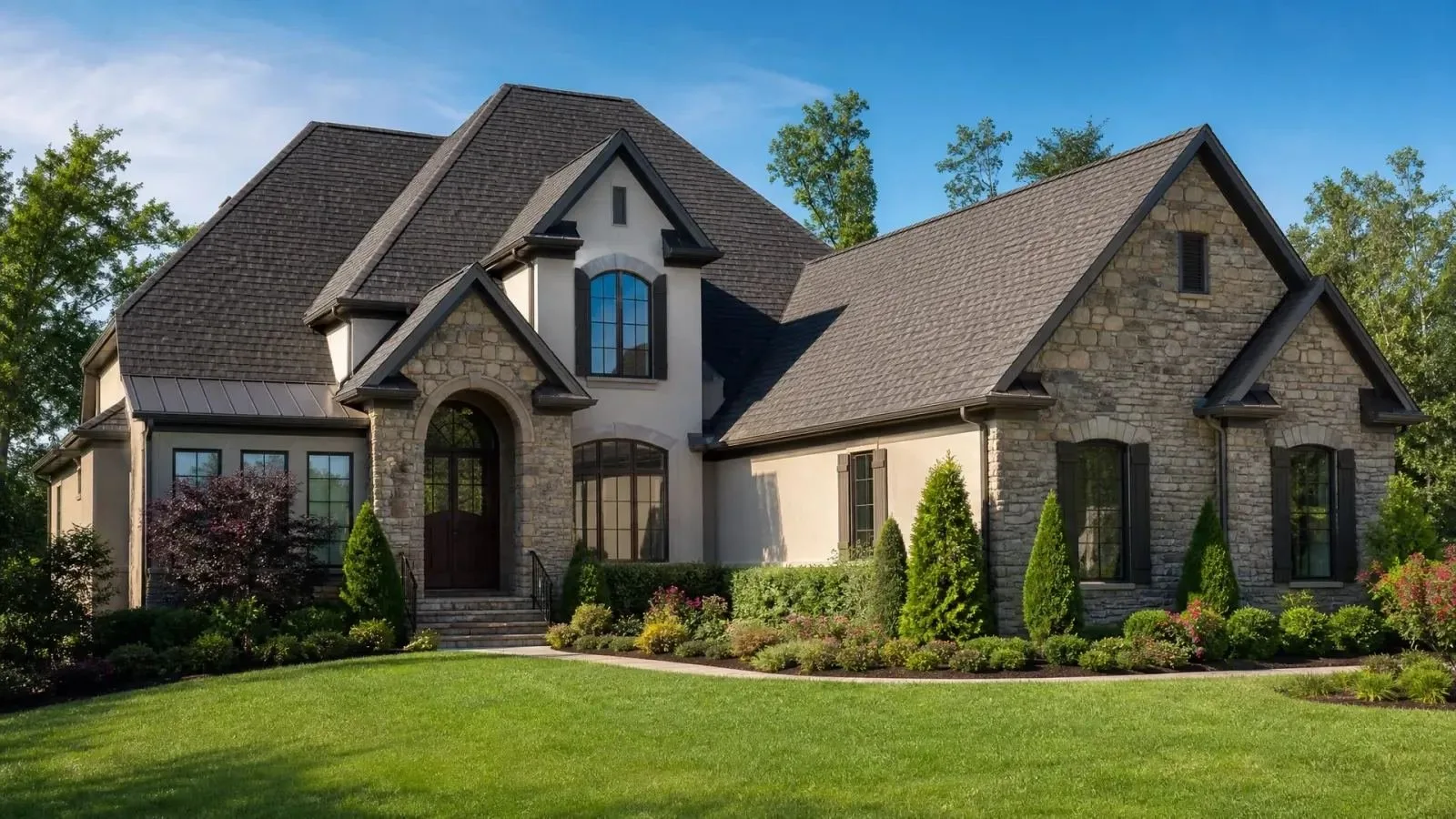
Some older roofs are tired but not finished. Rejuvenation is aimed at the shingles in that middle zone, and we tell you honestly whether yours qualifies.
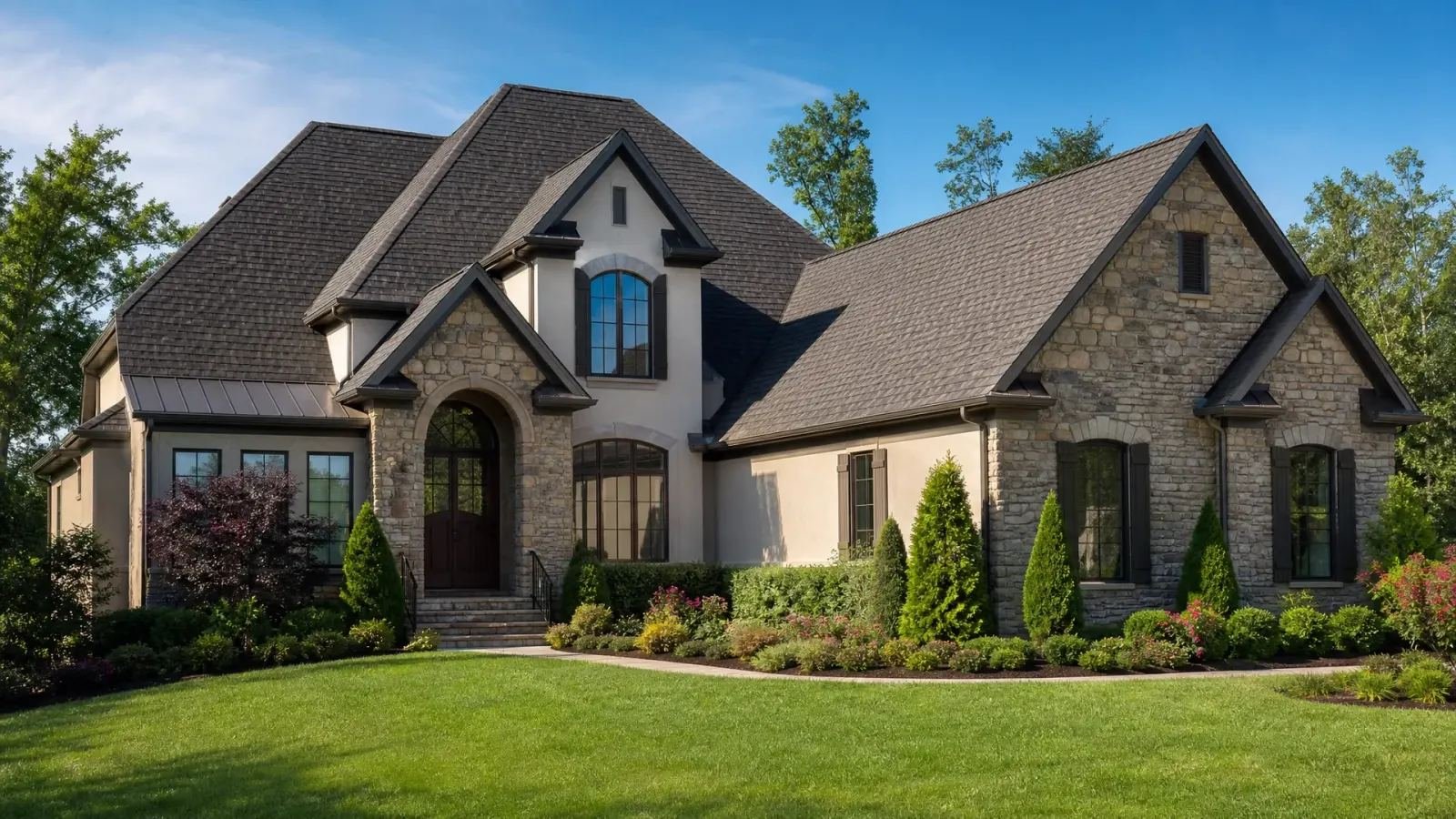
Asphalt shingles dry out over the years. Sun, heat cycles, and weather slowly pull the oils that keep them flexible, leaving them stiff and prone to granule loss. Rejuvenation treatments are applied to the surface to help restore some of that flexibility and slow further wear.
It is not a miracle fix. A treatment will not repair cracked shingles, rotted decking, or failed flashing, and it will not rescue a roof that has already reached the end of its life. The point is to extend usable years on roofs that are still structurally sound.
That is why candidacy matters. We look for shingles with relatively intact mats, moderate granule loss, no widespread cracking, and decking that is dry and firm. If the roof is beyond that, we say so, because spending money on a treatment would be wasted.
In Waxhaw, roofs in the ten to twenty year range on open lots are the most common candidates. Their south and west slopes take the brunt of the Carolina sun, while shaded slopes may need cleaning more than treatment.
Some homeowners choose rejuvenation to buy time while they plan a replacement budget. Others want to preserve a roof that has weathered well and simply shows its age. Either reason is valid as long as the roof qualifies.
Rejuvenation is often compared with coatings and with cleaning, but they are not the same thing. A coating adds a layer on top, a cleaning removes growth, and a rejuvenating treatment is meant to soak into the asphalt. We explain which one fits what your roof is doing.
Timing helps. Treating a roof earlier in its decline, while granules are still mostly in place and the shingles still flex, usually gives better odds than treating one that is cracking.
Before any treatment, the roof is inspected, repairs are made as needed, and the surface is cleaned. Algae, pine debris, and loose granules interfere with how the product bonds, so prep is a real part of the job.
We explain what product and process are planned, how long the surface should stay dry, and what to expect over the weeks afterward. Weather matters, and we schedule application when rain is not expected.
If you would rather not go this route, we can discuss alternatives, such as targeted repairs now and a replacement plan later. The right choice depends on the roof, your timeline, and your budget.
Kaliber Roofing crews perform the work and provide photos of the roof before and after, so you have a record of its condition.
Ask for a written description of the treatment, the coverage area, and any limits on what it addresses. Be wary of promises that sound too good, and ask what happens if a leak appears afterward.
We tell you whether the shingles are good candidates before recommending anything.
Cleaning and minor repairs happen first so the treatment bonds properly.
If rejuvenation is not right, we outline repair or replacement options instead.
An inspection will show whether the shingles are intact, the granule loss is moderate, and the decking is sound. Roofs with cracking or active leaks usually do not qualify.
No. Leaks are caused by specific openings that need repair. Rejuvenation addresses the shingle surface, not flashing or penetration failures.
No. It may extend the life of a sound roof, but it does not turn an old roof into a new one. We help you decide where it fits in your plans.
Request an inspection and we will tell you straight whether rejuvenation, repair, or replacement fits.